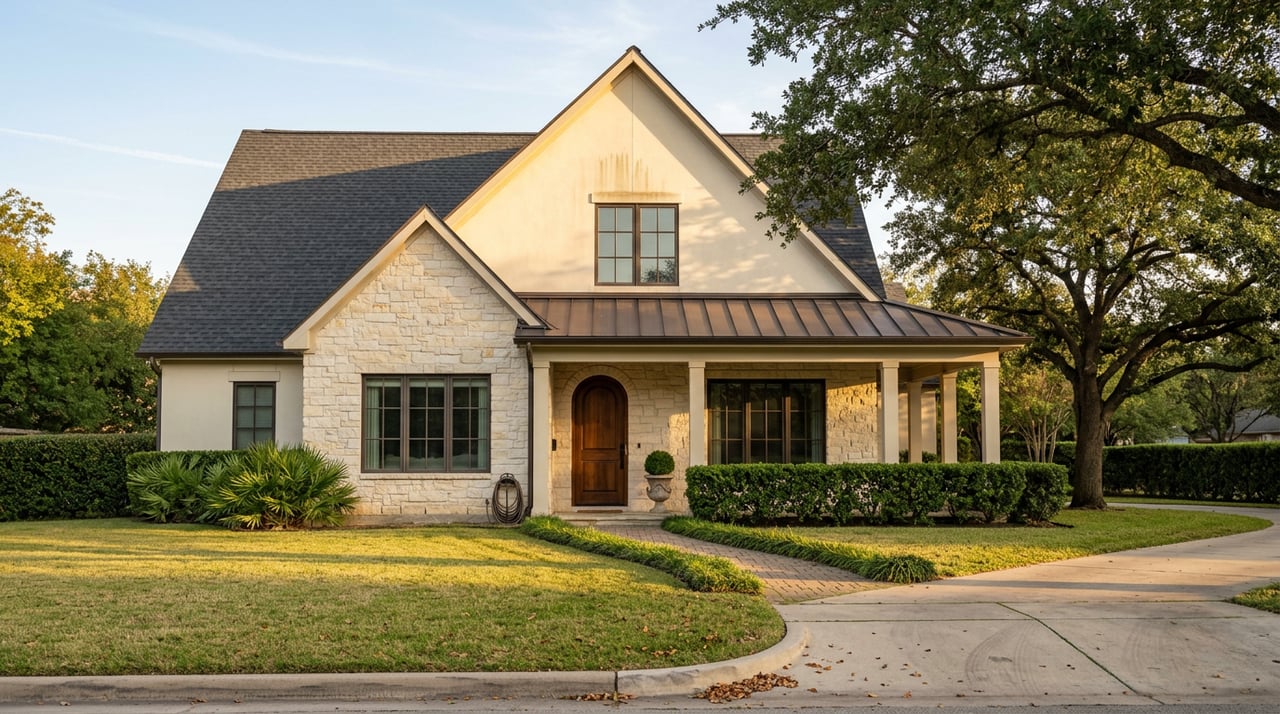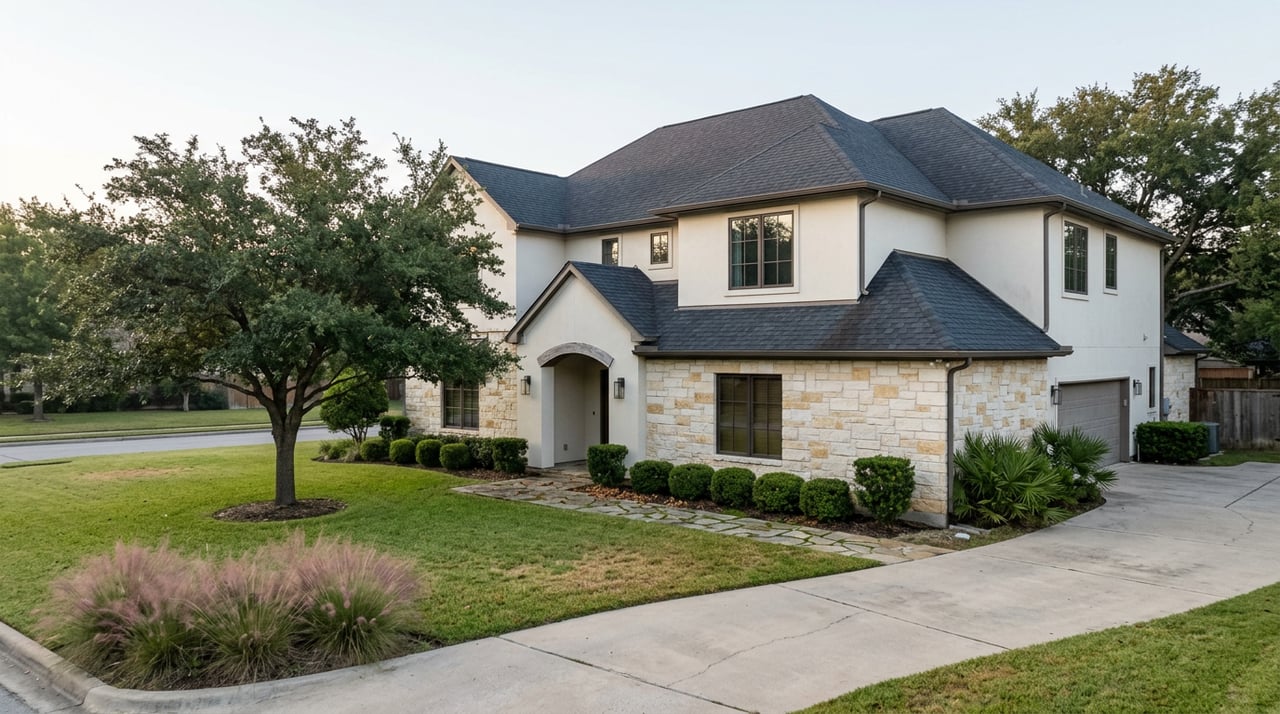
If two houses in Cross Creek Ranch list for the same price, why might one buyer's monthly payment run higher than the other's, even after the same down payment and the same interest rate? The answer isn't on the listing sheet. It's a line item halfway down the property tax statement that most buyers don't think to ask about until they're already under contract.
Cross Creek Ranch is one subdivision name that actually sits across five different Municipal Utility Districts, numbered 169 through 173 by Fort Bend County. Each district carries its own tax rate, set independently, and that rate is what determines whether a $500,000 home costs you noticeably more or less to carry each month than a neighbor's identical model two streets over. Understanding why requires understanding what a MUD actually is and why Fulshear, of all places, has come to depend on them so heavily.
Growth has to be financed by someone
Fulshear has been the second fastest growing city in the country with a population of 20,000 or more for three years running, according to U.S. Census Bureau estimates released in May 2026. The city added roughly 11,200 residents in the year ending mid-2025, a 21 percent jump that pushed the population to nearly 65,000, up from about 17,000 in 2020. That kind of growth doesn't wait for city infrastructure to catch up. Someone has to pay for the water lines, lift stations, and drainage ponds before the first family moves into a new section, and in Fulshear that someone is almost always a Municipal Utility District.
A MUD is a small local government, created for exactly one purpose: issue bonds to build the water, sewer, and drainage infrastructure a new subdivision needs, then repay those bonds through a property tax levy on the homes built there. It's a financing mechanism, not a fee the builder invented, and it's why a brand-new section can have paved streets and working utilities on day one despite being miles from the nearest city-run water plant.
The City of Fulshear's own ad valorem rate for fiscal year 2025-2026 is $0.167903 per $100 of assessed value, a relatively small slice of the total bill. Layer in Fort Bend County, the school district, and a MUD, and the combined effective rate for most Fulshear master-planned communities lands somewhere between 2.0 percent and 3.0 percent, with some early-phase districts running higher still.
What that spread looks like on the ground
| Community | Approximate combined tax rate | Notes |
|---|---|---|
| Cross Creek West | 3.16% | Early-phase MUD financing, newest section |
| Jordan Ranch | ~2.82% | Established community, multiple taxing entities |
| Typical Fulshear master-planned range | 2.0% – 3.0% | Varies by section and bond schedule |
That spread is the whole point. A newer section inside a hot community, the kind with the freshest floor plans and the shortest builder wait list, is often the one carrying the highest rate, not the lowest. It sounds backwards until you remember what a MUD actually is: a bond that gets repaid over time. The rate is highest early in a district's life, when the debt load per home is largest and the fewest rooftops are sharing the bill. As more homes get built and the district's tax base grows, and as the original bonds get retired, the rate typically comes down. An older section of Cross Creek Ranch, built out years ago, can end up cheaper to carry than the brand-new phase going up along its edge, even at the same home price.
Builders active across Fulshear's master-planned communities right now include Taylor Morrison, Perry Homes, Highland Homes, David Weekley, Westin Homes, and Tri Pointe under its Trendmaker brand, spread across Cross Creek Ranch, Cross Creek West, Jordan Ranch, Fulbrook on Fulshear Creek, and Tamarron. Most of these communities sit in Lamar Consolidated ISD, though Tamarron is one Fulshear-area community buyers often seek out specifically because it falls inside Katy ISD instead. That school district question is separate from the MUD question, but the two get confused often enough by buyers comparing communities that it's worth untangling them early rather than assuming they track together.
The cooling market won't touch this line item
Fulshear's housing market has softened some from its peak. As of July 2026, homes were listing at a median price of $475,000, while recent sale price data has run closer to $558,000, and Zillow's typical home value estimate for Fulshear stood at $608,322, up only 0.5 percent over the prior year. Homes are sitting on the market roughly 55 days on average, about 25 percent longer than a year earlier, and list prices have softened by about 3 percent year over year.
That's genuinely good news for a buyer's negotiating position. You have more room now to ask for repairs, a closing cost credit, or a price reduction than buyers had in 2022 or 2023. What that leverage doesn't touch is the MUD rate attached to a specific lot. The seller can drop the price. The seller cannot change which district the address sits in, or how far along that district is in retiring its bonds. Two homes negotiated equally hard, at equally favorable terms, can still land at different monthly payments if one sits near the high end of Fulshear's rate range and the other sits near the low end.
There's a second cost pressure worth watching here too. Many of the region's MUDs are gradually converting from groundwater to surface water under the North Fort Bend Water Authority. That conversion affects the utility side of a MUD's budget, not the bond side, but it's part of why a district's rate history is worth reading in full rather than glancing at the current year's number alone.
What to actually check before you write an offer
The good news is that verifying a specific address's MUD is not complicated, and it doesn't require taking anyone's word for it. Fort Bend County publishes a water districts map that shows which MUD any given address falls into, and the Fort Bend Central Appraisal District's records will show the full breakdown of every taxing entity on that specific parcel, MUD included. Before you get attached to a listing, pull that address up and look at the actual combined rate, not the community's advertised range.
A few other checks are worth building into your process:
- Ask the listing agent or seller's disclosure for the last three years of property tax bills on that specific lot, not a neighborhood average
- Request the MUD's outstanding bond balance, which most districts disclose on their own public websites alongside board meeting minutes
- Confirm whether the district has any pending bond elections that could raise the rate before your closing
- Factor the full combined rate into your lender conversation early, since escrow will be calculated on the actual total, not the city's advertised rate alone
Texas homestead exemptions do provide some relief once you've closed and filed, including a $100,000 school district exemption and an additional exemption offered by Fort Bend County, but those apply after the fact and shouldn't be treated as an offset when you're comparing rates between two active listings. Confirm current exemption amounts and filing deadlines with the appraisal district or a tax professional rather than relying on a rule of thumb.
A few questions we hear often
Does a MUD tax ever go away? Some districts are eventually annexed by the city or have their infrastructure transferred to municipal utility service, which can shift the tax and fee structure. The timing varies district by district and isn't something to count on within a specific ownership horizon.
Is this unusual for Houston-area suburbs, or specific to Fulshear? MUDs are common throughout the fast-growing edges of Fort Bend County, including new communities in nearby Katy. Fulshear's concentration of new master-planned development just means a larger share of its housing stock sits inside one.
Does a lower MUD rate always mean a better deal? Not by itself. An older section with a lower rate may also mean older infrastructure, different amenity access, or a longer commute within the community. The rate is one input, not the whole decision.
Fulshear's growth isn't slowing in any way the numbers suggest, and that growth is exactly why this tax structure exists in the first place. Knowing which MUD a specific address sits in, and where that district is in its bond timeline, is the difference between comparing two homes on price alone and comparing what they'll actually cost you to keep.
If you're weighing a specific Fulshear address against something in Katy or Cypress, The Hightower Team can pull the actual tax history and MUD standing on that lot before you write an offer, not after. Contact Us to start that conversation.